


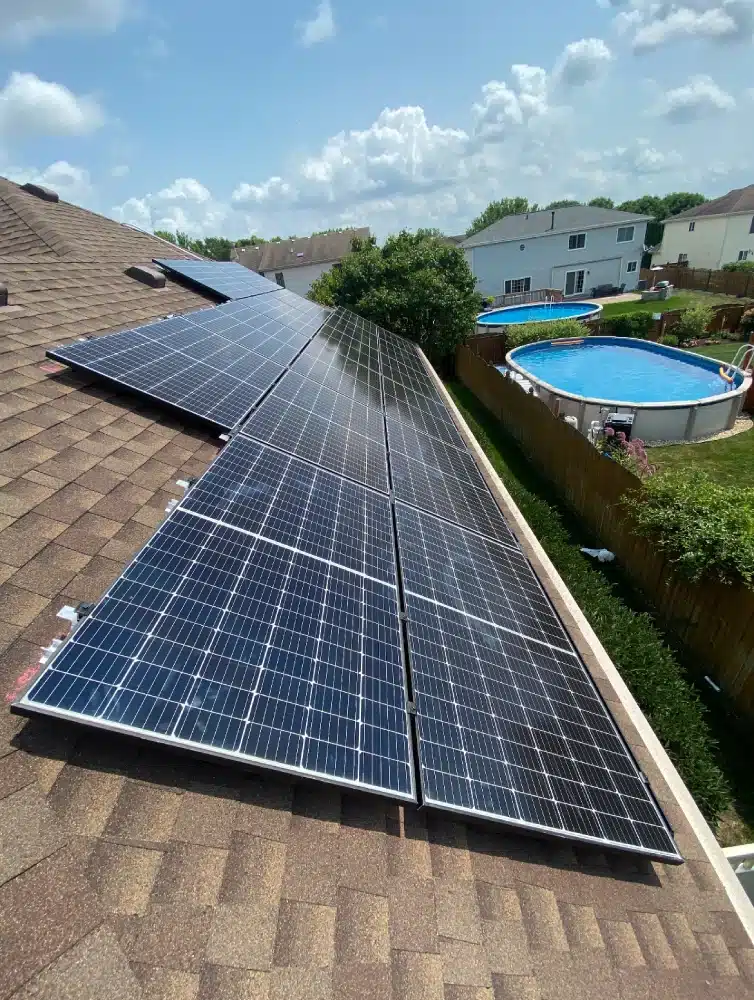
What is the typical solar installation timeline from start to finish? While the actual crew is only on your roof for 1 to 3 days, the total process from signing your contract to flipping the switch typically takes 60 to 90 days. This duration accounts for the essential “behind-the-scenes” work—including site engineering, Chicago municipal permitting, and utility approvals—that ensures your system is safe, legal, and eligible for state incentives.
For many Chicago homeowners, the decision to go solar is driven by a mix of environmental responsibility and the desire to escape rates of local utility companies. You’ve done your research, you’ve looked at the massive incentives provided by the State of Illinois and you’ve finally chosen a trusted local partner like Green Tech Construction for solar panels.
Because Chicago features such a diverse range of architectural styles—from historic brick bungalows in Portage Park to modern flat-roof multi-families in the West Loop—the timeline can vary based on your specific structure. In this guide, we break down the typical solar installation timeline so you know what to expect from start to finish.
The Master Timeline: From Contract to Clean Energy
While the physical work on your roof happens quickly, the administrative and approval steps form the bulk of the schedule. This is often where homeowners can feel the most “in the dark” regarding the status of their install, but rest assured that local experts are working with city officials and utilities to move your project forward. Below is a breakdown of the typical journey for a Chicago homeowner.
Estimated Solar Project Schedule
| Phase | Description | Typical Duration |
| 1. Site Assessment | In-person inspection of roof, rafters, and electrical panel. | 1–2 Weeks |
| 2. Design & Engineering | Creation of professional blueprints and structural calculations. | 1–3 Weeks |
| 3. Permitting | Application through Chicago’s Department of Buildings (DOB). | 1–4 Weeks |
| 4. Physical Installation | The “big day” where panels and inverters are mounted. | 1–3 Days |
| 5. City Inspection | Official safety check by a Chicago electrical inspector. | 1–2 Weeks |
| 6. Utility PTO | Final “Permission to Operate” | 2–6 Weeks |
Phase 1: The Pre-Arrival Prep (Weeks 1–4)
Before a single ladder is leaned against your gutters or a single bracket is bolted to your roof, a significant amount of “invisible” work takes place behind the scenes. This phase is perhaps the most critical for a high-performing solar installation, as it establishes the technical foundation for the entire system.
Site Assessment and Engineering
A professional solar project is never a “one size fits all” product. Once a contract is finalized, a technician visits your home to perform a deep dive into your property’s vitals. They will take high-precision measurements of the roof’s planes, evaluate the shading from nearby trees or skyscrapers, and inspect the integrity of your rafters and your current electrical panel.
In Chicago, many historic homes have 100-amp electrical services. To safely back-feed solar energy, a panel upgrade may be required. Identifying these needs during the engineering phase prevents costly delays during the actual installation week. This technical scrutiny ensures that your roof can support the added weight and that your electrical system is ready to handle the load of a renewable energy generator.
Permitting and Interconnection
Most cities like Chicago have specific codes regarding wind loads and fire setbacks that require precise drawings. Your solar provider handles this paperwork, submitting detailed structural and electrical plans to the city for review.
Simultaneously, an interconnection application is filed to ensure the local grid can handle the energy your system will generate. This stage is a waiting game, relying on municipal and utility processing times. However, having a partner who understands these local bureaucratic channels is vital to keeping the timeline moving.
Phase 2: Day Zero – Arrival and Staging
When the installation crew pulls up to your Chicago residence, the first hour is dedicated to staging and safety. This is where the physical reality of your energy independence begins.
Safety and Property Protection
The crew will set up fall protection, including roof anchors and harnesses, which is a non-negotiable safety standard for any reputable contractor. They will also lay down tarps to protect your landscaping, driveway, and outdoor furniture from any debris. For a standard residential solar installation, you can typically expect a team of 3 to 5 crew members on-site.
The goal is to create a secure work environment that respects your property and your neighbors while preparing for a high-efficiency build.
Phase 3: The Roof Work (1–2 Days)
This is the most visible and exciting part of the process for most homeowners. It is the moment when your home transforms from a consumer of power into a producer.
Step 1: Layout and Shingle Preparation
The lead installer marks the exact location of the mounting feet based on the blueprints. On a standard shingle roof, these structural attachments are integrated into the roof’s water-shedding layers and secured with industrial-grade sealant to create a triple-sealed, waterproof barrier.
For flat roofs common in Logan Square or Wicker Park, the crew may use a ballasted track system that uses heavy weights to secure the array without making penetrations in the roof membrane, preserving the integrity of the flat roof surface.
Step 2: Racking and Wiring
With the flashings in place, aluminum rails (the racking) are bolted into the rafters. This framework is designed to withstand high wind gusts common in the region. Before the panels go down, the crew installs the micro-inverters or optimizers and runs the “trunk cable”—the wiring that will carry the power from the roof down to your electrical box.
Step 3: Mounting the Panels
Finally, the solar panels are hoisted up, clamped to the racking, and plugged into the system. This is the moment your house officially starts looking like a 21st-century power station. The alignment is checked meticulously; in Chicago, where houses are close together, the aesthetics of the array are just as important as the production. The result is a clean visual profile.
Phase 4: Electrical Integration and Ground Work
While the roof work is being finalized, a specialized electrician works at ground level to connect your house to the future of energy. This phase bridges the gap between the panels on the roof and the lights in your living room.
The Connection Point
The electrician installs a new solar disconnect switch and a production meter. These components allow you and the utility company to see exactly how much energy your system is producing in real-time. They will also wire the system into your home’s main service panel. If you’ve opted for a Backup Battery System, this is when the battery is mounted and integrated into your critical loads panel, ensuring your home remains powered even during a ComEd outage.
Phase 5: The “Wait Period” – Inspection and PTO
Once the crew packs their tools and leaves your property, the system is physically complete—but you cannot turn it on yet. This “wait period” is a legal and safety requirement.
- City Inspection: A Chicago city inspector must visit to verify that the solar installation matches the approved plans and meets all safety codes. This ensures that the electrical work is sound and the roof can support the weight.
- Permission to Operate (PTO): After the city signs off, the local utility company provides the final green light. They may perform a final meter swap to ensure you have a Bi-Directional Meter which enables Net Metering. This allows you to bank energy during sunny months to use during the winter.
Why Local Expertise Matters in Chicago
Choosing a local team ensures that your project benefits from regional specialization and a commitment to quality.
- Regional Knowledge: Understanding how Chicago wind impacts racking design is essential for longevity.
- Bureaucratic Proficiency: Knowing exactly how to navigate the Chicago Department of Buildings for faster approvals.
- Focus on Ownership: Local experts typically advocate for system ownership over leases, ensuring you keep the 30% Federal Tax Credit and all SREC payments.
- Longevity: A local partner is there for the life of the system.
Solar Timeline FAQs
1. How Long Does The Actual Installation Take?
For standard Chicago homes, the physical solar installation takes only 1 to 2 days. However, the total “contract to power-on” timeline usually averages 60 to 90 days. Most of this time is spent waiting for municipal permits and utility approvals.
2. Do I Need To Be Home During The Installation?
You generally only need to be home for the first hour of the first day to grant the crew access to your garage, basement, or the area where your electrical panel is located. After that, the crew works primarily on the roof and the exterior.
3. What Happens If It Snows On My Installation Day?
Safety is the absolute top priority. Since Chicago is no stranger to snow days, we are prepared to work in the snow if it is not a safety hazard to our crews. If the snow, ice, or window is too extreme and unsafe we will reschedule the installation day.
The Path to Energy Independence with Green Tech Construction
The journey from arrival to power-on is a structured, professional process designed to protect your home and your long-term investment. While the physical installation happens in a flash, the care taken in the engineering and permitting phases ensures your system will produce clean, cheap energy for the next 25+ years. This transition represents more than just a reduction in utility costs; it is a significant step toward self-sufficiency and environmental stewardship.
By choosing a local partner, like Green Tech, who understands the specific demands of the Chicago landscape, you ensure that every step of this timeline is handled with precision. Don’t let your roof remain a passive expense. Take the first step toward energy independence and start your timeline today. By owning your energy, you protect your family from future rate hikes and contribute to a sustainable future for the city of Chicago. Contact us today for a solar panel quote for your Chicago home!